Diaries
Daily life recorded before anyone knew which details history would keep.
A novel series by Anne-Marie Nakhla
Ukraine, 1908. Mennonites, Ukrainians, Jews, and Russians live under Russian rule—but not as equals. Land offers a way to rise. It also draws the fault line.
Enter the story ↓01 / THE SERIES
Bloodland follows farmers, factory hands, artists, smugglers, and revolutionaries through the collapse of an old world.
The story begins in 1908 in and around Chortitza, a Mennonite colony on the Dnieper River. Prosperity has made some families powerful and left others landless. Beyond the colony’s borders, Ukrainian villagers live with another account of who the land belongs to.
Across the series, private hungers collide with public history: industrial unrest, war, revolution, occupation, and civil war. No one passes through unchanged. No community owns the whole truth about what happened there.
“History does not arrive as history. It arrives at the door.”
02 / FROM THE ARCHIVES
Bloodland grows from years of research in diaries, family letters, memoirs, newspapers, maps, and unpublished manuscripts—many written by people who witnessed the upheaval themselves.
Daily life recorded before anyone knew which details history would keep.
Private voices crossing borders, decades, and the silences of family memory.
The streets, factories, river crossings, fields, and neighboring villages of the old colony.
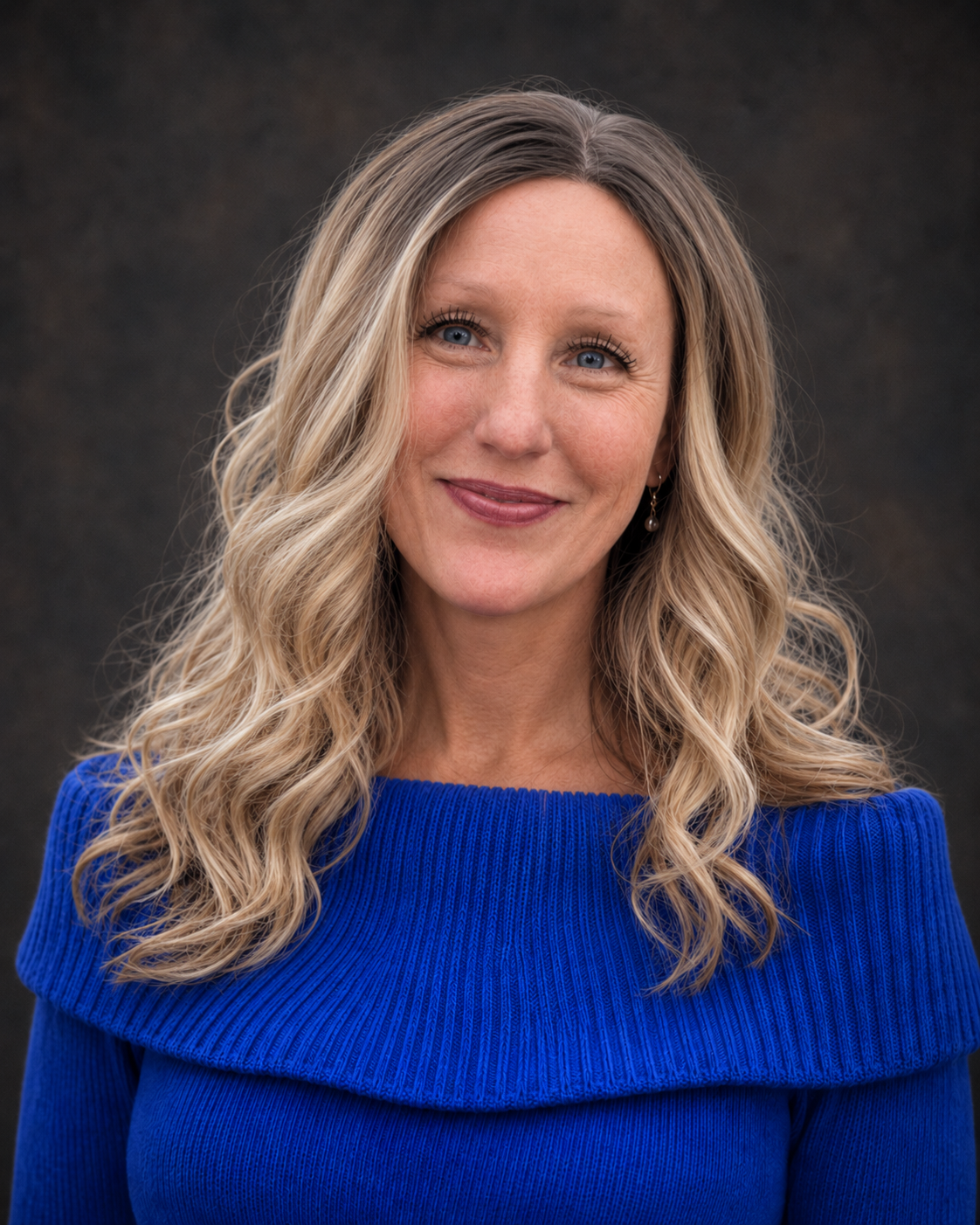
04 / INHERITED MEMORY
Bloodland began in a family where the past was always present.
Stories crossed borders and generations: stories of home, upheaval, hunger, war, and survival in the former Soviet Union. They carried more than a record of what happened. They carried the memory of suffering—and the stubborn human impulse to shape suffering into a story that could be handed on.
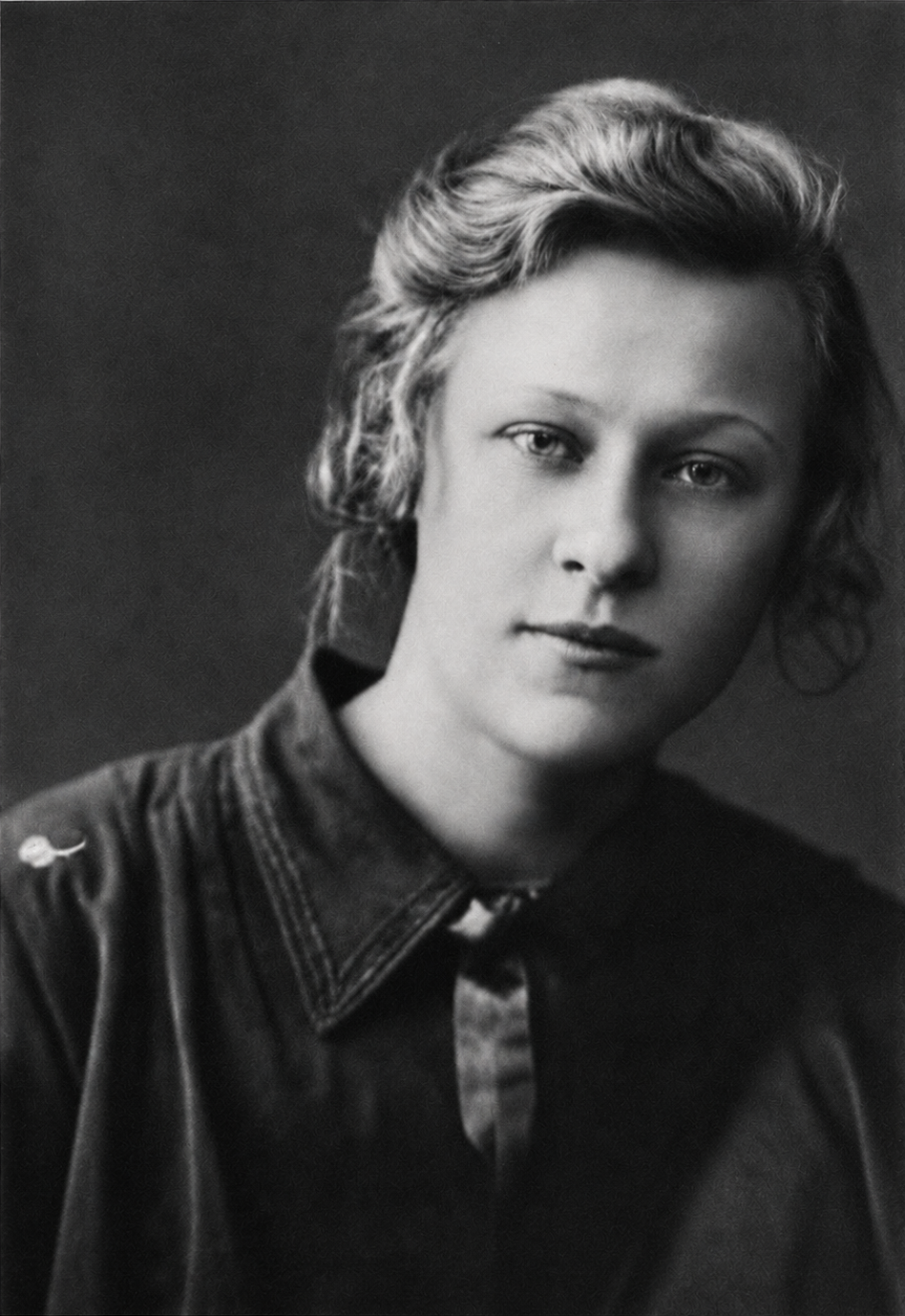
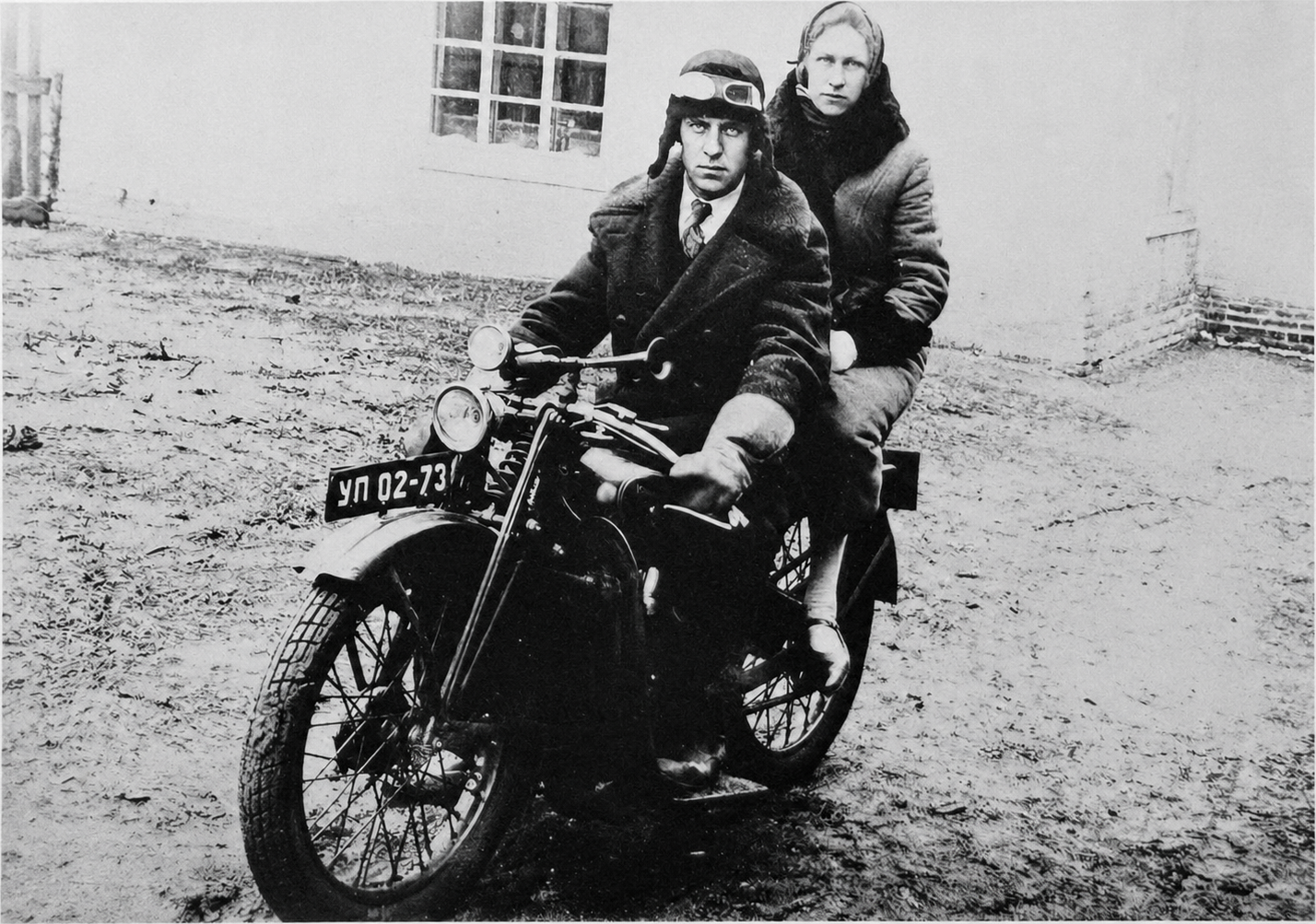
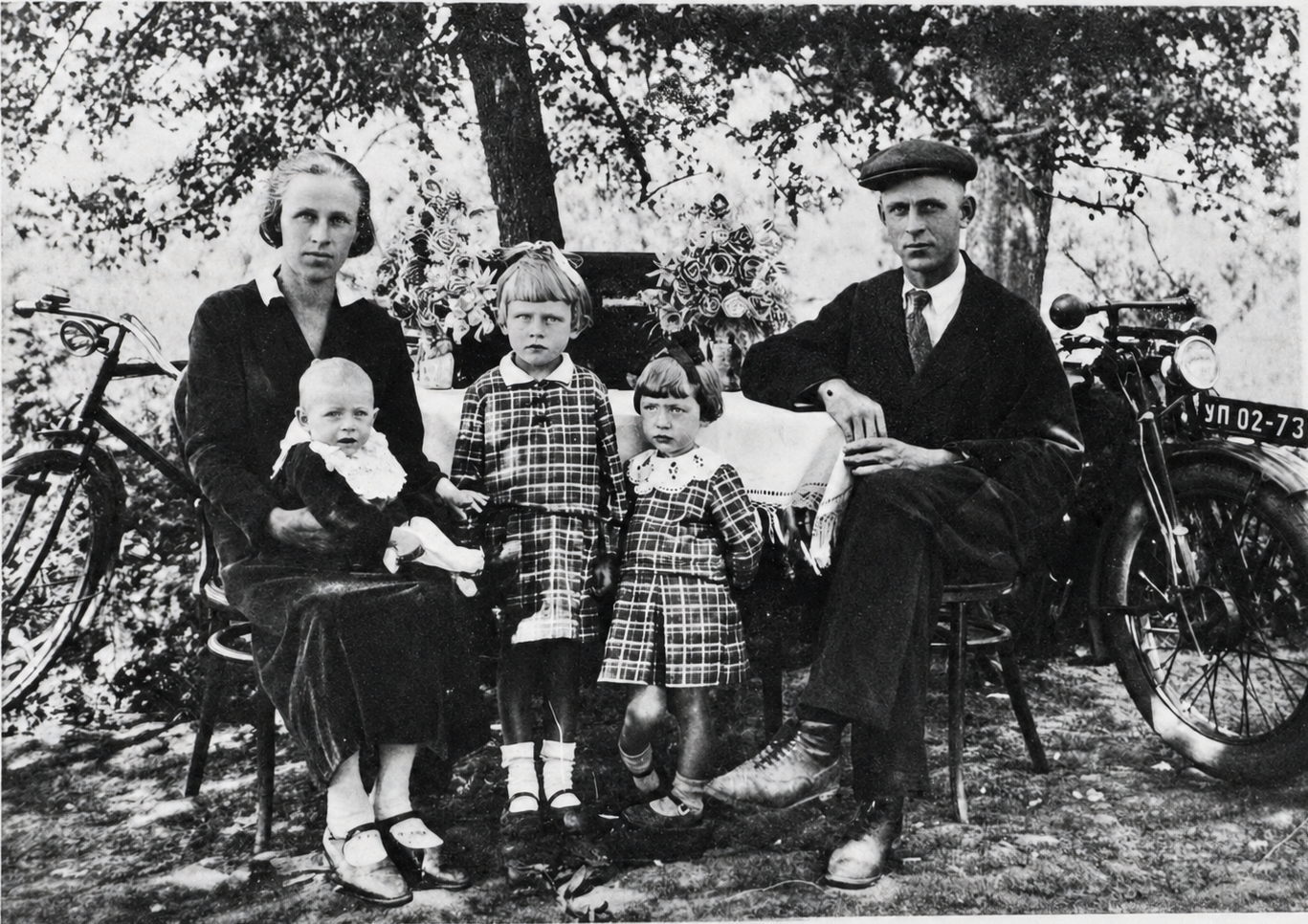
These photographs hold three generations of that inheritance: my grandmother; my grandparents before war remade their lives; and, in the family portrait, my mother, who spent much of her childhood fleeing across war-torn Europe. They are not the characters of Bloodland. But the culture of storytelling they passed down is part of where the novels began.
Letters from Bloodland
Archival discoveries, photographs, historical notes, and the first news of the books—sent occasionally, never noisily.